
‘’Take the time to understand the investment, ask the hard questions, and ensure it aligns with your financial plan. Knowledge and due diligence are essential. I encourage research, second opinions, and trusting your gut. If something feels off, pause.’’
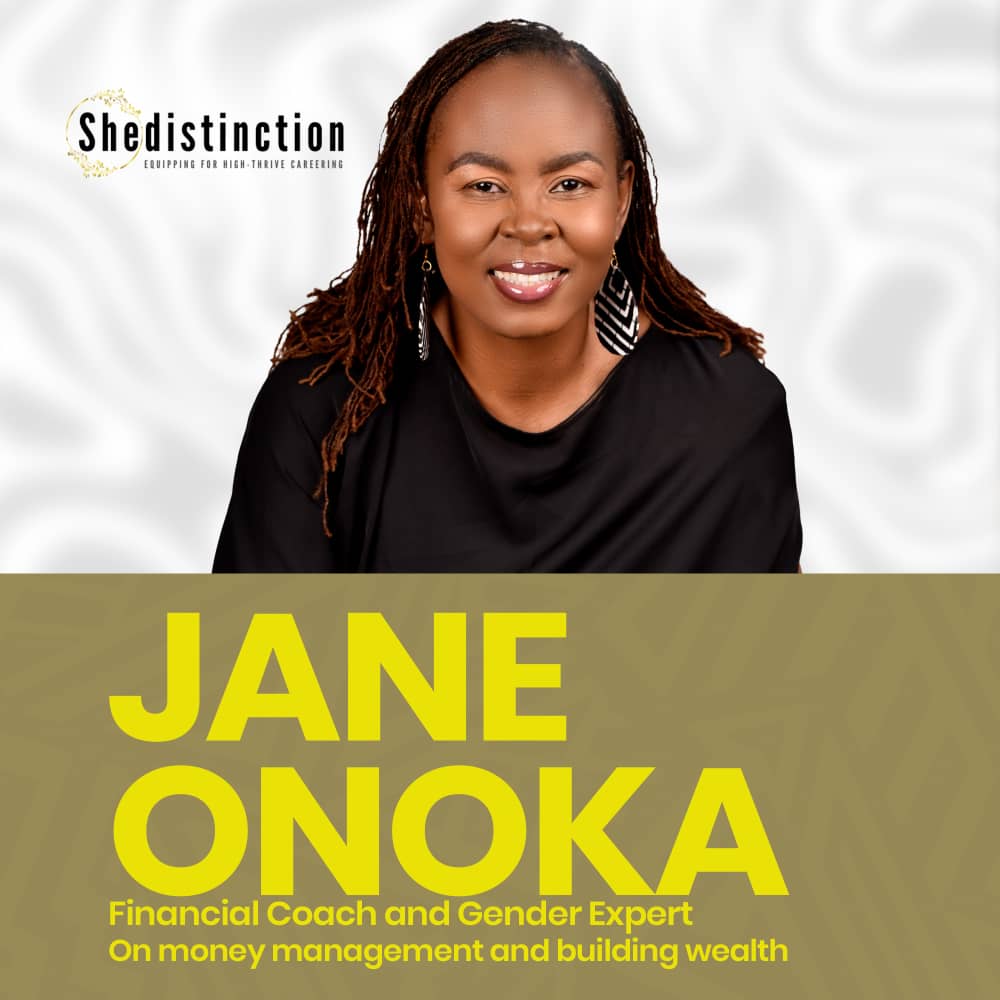
Jane is a financial coach empowering women between 35-55 years to beat burnout and financial uncertainty and find harmony at work and home. She draws from her own transformative journey working in international development for many years and transitioning to coaching. As a coach, mentor, and speaker, Jane’s mission is to impact 10,000 women by 2030, teaching through her tailored programmes, one confident, thriving life at a time. More on Jane’s work at finsavvywoman.com.
Once upon a time ‘’rich’ was the more commonly used word—now we’re hearing ‘wealth/financial freedom’ more and more. What’s the difference?
“Rich” often refers to having a high income or expensive possessions. “Wealth” and “financial freedom” are about the ability to make life choices without being constrained by money, having the ability to make choices in life that accord you a decent standard of living while at peace with yourself and those around you. Personally, despite a well-paid job, I found myself living paycheck to paycheck until I redefined success and realized wealth isn’t about income—it’s about freedom. That’s the difference I now help my clients understand and pursue.
I heard a personal finance expert once say that one reason people don’t achieve their wealth potential is because they are too risk averse. How can one determine their financial risk appetite and how might they overcome that?
Risk appetite is deeply personal, shaped by our past experiences, beliefs about money, current financial situation, and the life goals we’re working toward. For instance, a 25-year-old saving for a future home has time on their side whilst someone who is 55, supporting college-going children may need a more cautious approach. Understanding your risk appetite starts with self-reflection and an honest look at where you are financially. My financial health assessment helps clients understand their starting point, what they’re working with and their options which reinforce their ability to make sound decisions. I used to be incredibly risk-averse. But once I started learning, experimenting cautiously, and seeing little wins, I realized that risk can be managed. Now, I help women take calculated risks that align with the life they truly want.
The wealth creation/management industry is on the rise. What are the opportunities and strategies one could explore for more predictable wealth creation?
While the financial world is constantly evolving, the core principles of wealth creation have remained the same. Here are key principles that I teach my clients:
- Spend less than you earn and save consistently.
- Invest your money so that your money works for you.
- Protect your wealth through insurance, emergency funds, and estate planning.
- Stay the course. Wealth favours those who remain disciplined and consistent.
I teach clients to master budgeting, automate investing, and focus on long-term goals.
Financial scams are also on the rise. Any thoughts on how one might protect themselves from this?
Scams often prey on urgency and greed, a promise of unrealistic returns with little effort. I’ve seen friends, and even clients, lose money to scams because they felt too ashamed to ask questions. I stress purpose-based investing and willingness to grow wealth gradually. Take the time to understand the investment, ask the hard questions, and ensure it aligns with your financial plan. Knowledge and due diligence are essential. I encourage research, second opinions, and trusting your gut. If something feels off, pause.
Wealth creation is broader than making money. What are some financial decisions people typically ignore which deserve more attention and why?
One of the most overlooked areas is mindset. If you believe money is hard to manage, it becomes a self-fulfilling prophecy. People also underestimate the power of doing small things right, repeatedly – like budgeting, tracking spending, reviewing investments and sticking to a plan. Another gap is not aligning your money with your values, whether it’s freedom, security, or impact. Finally, financial literacy; many build careers without understanding basic concepts like compound interest, taxes, or investment diversification. Early in my career, I ignored things like insurance, emergency savings, and understanding my employee benefits which left me vulnerable. Now I teach clients to build a strong foundation, because wealth isn’t just about growth, but security and peace too.
Your offering on corporate financial wellness is unique in terms of your assertion that it could help promote job satisfaction How so?
Income doesn’t equal financial wellness. When employees feel in control of their money, they’re less stressed, more focused, and more engaged. I know this firsthand. I remember the toll money stress took on me. There were days I struggled to concentrate, not because I didn’t care about my job, but because my mind was consumed by financial worries, piling bills, debt, whether I could support my family. Financial stress also leads to higher absenteeism, reduced concentration and poor decision-making. That’s why corporate financial wellness is a strategic investment. When employees feel financially secure and have a clear plan for their future, they become more loyal, more creative, and more purpose-driven.
Becoming a money coach was mostly driven by your experience of living “paycheck to paycheck” despite a well-paid job. What have you done individually as well as with your partner to improve your finances that others could learn from?
My partner and I were both earning good salaries, but quietly drowning, maintaining a lifestyle that didn’t reflect our reality. We hit a point where we couldn’t ignore it anymore. We started being honest with ourselves and with each other, began to educate ourselves and asking the hard questions about how money really works. We created a financial plan that wasn’t just about numbers, but about our life goals and decided to treat money as a team effort, communicating regularly, setting shared goals, and checking in with each other as an ongoing habit. These actions improved our finances and strengthened our relationship. That’s what I now help young couples do: drop the shame and build financial lives rooted in clarity, purpose, and partnership.
One of your clients said working with you made her ‘braver’ to confront what she had previously avoided. Tell me about the approach to mindset change around money that you take and what results tell you the approach is working?
I start gently with the Conscious Spending Plan – just numbers, income, expenses, obligations. As clients begin to see the patterns, the habits, and how their money is either serving or sabotaging their goals, it becomes real and something they can do something about. I then introduce the concept of their Financial Freedom Number where we visualize the retirement or lifestyle they want, estimate what it would cost, and work backwards on a plan. I know mindset shift is happening, when clients look at their spending plan and start making thoughtful adjustments. When they say things like, “I didn’t realize I was spending so much on things that don’t actually matter to me,” they start to own their money story instead of hiding from it.
I guess people expect you to be wealthy because you give advice towards financial independence. What other pressures do you experience because of your area of work and how do you handle those?
Yes, there’s an assumption that I must have it all figured out. I still face challenges, but I’ve built peace, freedom, and the ability to live on purpose, having the freedom to choose, to rest when I need to, to show up fully for my family, and to do work that matters. There’s always a silent expectation to model perfection. I stay grounded in my mission and remind myself that my role is not to impress, but to inspire and empower. If sharing my journey helps one more woman believe in her own financial potential, then it’s worth it.
For more interviews and resources visit www.shedistinction.com